


Bondo Spray Putty
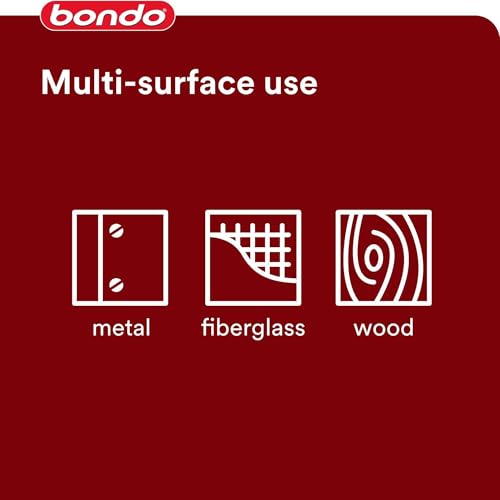
Our Bondo Spray Putty transforms automotive surface repair with a revolutionary aerosol delivery system that eliminates mixing and spreader work. This professional-grade filler sprays on smoothly to fill minor surface imperfections, pinholes, and light scratches on metal, fiberglass, and properly prepared plastic surfaces.
Perfect for body shops, DIY enthusiasts, and restoration projects, the spray application creates a consistent, even layer that sands faster than traditional putty. The low-VOC formula dries to a workable surface in just 15 minutes, letting you move quickly through primer and paint stages without extended wait times.
Spray Putty specifications
Application Surface Compatibility
Bondo Spray Putty bonds reliably to bare metal, galvanized steel, aluminum, fiberglass, and rigid plastics that have been properly sanded and cleaned. For best adhesion, remove all paint, rust, and contaminants down to bare substrate using 80-grit sandpaper or a DA sander.
The spray formula works exceptionally well over existing body filler repairs where pinholes have appeared after initial sanding. Many technicians use our spray putty as a glazing coat over larger specialty filler repairs to achieve final surface perfection before primer.
Dry Time and Sanding Process
At room temperature (70°F), bondo spray putty dries to a firm, sandable surface in approximately 15 minutes. Cooler shop temperatures will extend dry time, while warmer conditions accelerate curing. The surface will feel dry to light touch within 5-7 minutes, but wait the full 15 minutes before sanding to prevent clogging your sandpaper.
Start with 80-grit sandpaper to level the filled area, then progress through 120-grit and 180-grit for final smoothing. The spray putty sands significantly faster than traditional body fillers because the thin application creates less material to remove. Use a sanding block or DA sander with steady, even pressure.
Coverage and Can Capacity
Each 12-ounce can of bondo spray putty covers approximately 8-12 square feet when applied in the recommended thin, even coats. Actual coverage varies based on application thickness and surface texture—rougher surfaces require more material to fill voids.
For small pinhole repairs and spot glazing, a single can handles multiple panels or an entire vehicle’s worth of minor imperfections. Larger repair areas requiring full panel coverage may need two or more cans depending on the surface area being treated.
Complete Your Automotive Repair Kit


Rated 4.8 by verified buyers


Common Questions About Bondo Spray Putty
Apply bondo spray putty in thin, light coats rather than one heavy application. Each pass should build approximately 1/32 inch of thickness. For deeper repairs, apply multiple thin coats with 15-minute dry times between layers.
Heavy applications may sag on vertical surfaces and take significantly longer to dry. If you need to fill deeper imperfections beyond 1/8 inch total, use traditional Bondo Body Filler first, then finish with spray putty for final surface perfection.
Bondo spray putty requires bare substrate for proper adhesion and will not bond reliably to painted surfaces. Sand through paint down to bare metal, fiberglass, or plastic before application.
The polyester resin formula needs direct contact with the base material to create a chemical and mechanical bond. Applying over paint will result in delamination and repair failure, especially once the area is painted and exposed to temperature changes.
Bondo spray putty offers aerosol convenience and faster application compared to tube-style glazing putty, but both products serve the same purpose—filling minor imperfections before primer. The spray formula eliminates mixing and spreader cleanup, making it ideal for small spot repairs and pinhole filling.
Traditional glazing putty from a tube gives you more control for very small repairs and doesn't require the 6-8 inch spray distance. Many professionals keep both products on hand and choose based on the specific repair situation.
You can apply primer 15-20 minutes after the final coat of bondo spray putty, once the surface feels firm to light sanding. The material cures quickly at room temperature and doesn't require extended wait times like some traditional fillers.
For best results, sand the cured spray putty smooth with 180-grit sandpaper, remove all dust with a tack cloth, then proceed immediately to primer. The short cure time helps you complete multi-stage repairs in a single work session.
Bondo spray putty bonds to rigid plastics like ABS and fiberglass-reinforced composites when properly prepared. Sand the plastic with 80-grit sandpaper to create tooth for adhesion, then clean thoroughly with plastic prep solvent.
Flexible bumper covers made from TPO or polyurethane require specialized flexible fillers—spray putty will crack on these materials due to its rigid cure. Check your bumper type before application. Most modern bumper covers are flexible and not suitable for traditional polyester fillers.
After each use, turn the can upside down and spray for 2-3 seconds until only clear propellant comes out. This clears the spray mechanism of putty material and prevents clogging between uses.
If the tip does clog, remove it and soak in lacquer thinner for 10-15 minutes, then clear the opening with a pin or small wire. Store cans upright in moderate temperatures to maintain consistent spray patterns. Shaking the can thoroughly before each use also helps prevent partial clogs.
Bondo spray putty performs best when both the product and work surface are at room temperature (70°F). Cold temperatures below 50°F will significantly extend dry time and may affect spray pattern and adhesion.
If you must work in cooler conditions, store the can in a warm area before use and allow extra cure time—potentially 30-45 minutes instead of the standard 15 minutes. Heating the substrate with an infrared lamp after application can help accelerate cure in cold shops.