


Bondo Spot Putty
Our Spot Putty is a professional-grade filler designed to eliminate pinholes, scratches, and minor surface imperfections quickly and permanently. This single-component formula goes on smooth without mixing, making it ideal for fast touch-ups and detail work where traditional body fillers are too thick.
The non-shrinking formula dries to a tack-free finish that sands easily and holds paint beautifully. Whether you're prepping metal panels, smoothing fiberglass surfaces, or filling wood grain before finishing, Bondo Spot Putty delivers a flawless foundation for topcoats.
Formula & application specs
Formula & Surface Compatibility
Bondo Spot Putty uses a nitrocellulose-based formula that stays workable during application yet dries rapidly to a sandable surface. Unlike catalyzed body fillers that require hardener and mixing, this single-component putty dispenses ready to use straight from the tube.
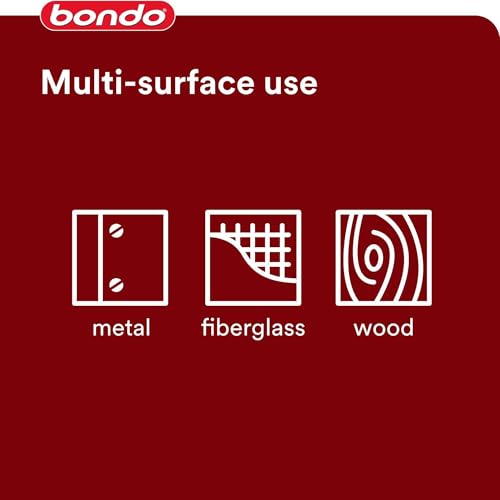
The formula bonds securely to bare metal, aluminum, galvanized steel, fiberglass, SMC composites, and properly prepared wood. It also adheres to fully cured polyester body fillers, letting you correct surface defects after block sanding without redoing entire panels.
Application Process & Working Time
Preparing the Surface
Clean and dry the repair area thoroughly before applying bondo spot putty. Remove all wax, grease, and loose debris with a suitable solvent. For best adhesion on bare metal, scuff the area with 180-grit sandpaper to create mechanical tooth.
Applying the Putty
Squeeze a small bead directly from the tube and spread it firmly into pinholes or scratches using a clean putty knife or spreader. Work in thin layers — the formula fills defects up to 1/4 inch deep, but multiple thin coats produce smoother results than one heavy application.
Topcoat Compatibility & Finishing
Our spot putty accepts all automotive paint systems without rejection or lifting. Apply lacquer primers and paints directly over sanded putty for quick touch-ups and small repairs. Enamel and urethane systems also bond securely when you follow the paint manufacturer’s surface prep recommendations.
For show-quality finishes, apply a thin coat of catalyzed primer-surfacer over the sanded putty before color coats. This extra step ensures uniform texture and hides any slight color variation in the substrate.
More Specialty Fillers for Every Repair


Rated 4.8 by verified buyers


Common Questions About Bondo Spot Putty
Yes, spot putty bonds securely to clean, bare metal surfaces. For best adhesion, degrease the area with wax and grease remover, then lightly scuff with 180-grit sandpaper to create tooth for mechanical bonding.
The putty also adheres to aluminum, galvanized steel, and other automotive metals without special primers. Just ensure the surface is completely dry before application.
Bondo spot putty effectively fills defects up to 1/4 inch deep. For deeper scratches or gouges, apply the first coat and let it dry completely before adding a second layer.
Attempting to fill very deep defects in one pass can trap solvents and prevent complete curing. For anything deeper than 1/4 inch, use catalyzed body filler first, then finish with spot putty for final surface smoothing.
No, bondo spot putty is a single-component formula that requires no mixing. Simply squeeze the product from the tube and apply directly to the repair area.
This ready-to-use convenience makes spot putty ideal for quick touch-ups and detail work where mixing two-part fillers would be inefficient. The putty cures through solvent evaporation rather than chemical catalysis.
Spot putty typically reaches tack-free condition in 20 to 30 minutes under normal shop temperatures between 65°F and 75°F. You can begin sanding as soon as the surface feels dry to light touch.
Cooler temperatures or high humidity may extend drying time slightly. For fastest curing, maintain good ventilation to help solvents evaporate. Avoid applying heat directly to the putty, as rapid drying can cause surface cracking.
Our spot putty uses a non-shrinking formula that remains dimensionally stable under paint. When applied in thin coats as directed, you won't see sink marks or imperfections appearing through the finish over time.
To ensure best results, allow each coat to dry completely before sanding or applying additional layers. Proper application prevents trapped solvents that could cause delayed shrinkage.
Yes, you can apply primer as soon as you finish sanding the cured putty. The product accepts all lacquer, enamel, and urethane primers without special sealing steps.
Blow off all sanding dust with compressed air before priming. For show-quality finishes, some professionals prefer to apply a catalyzed primer-surfacer over spot putty repairs to ensure perfectly uniform texture under color coats.
Spot putty is thicker and designed to fill deeper defects like pinholes and scratches up to 1/4 inch. Glazing putty has a creamier consistency ideal for very shallow imperfections and fine surface leveling.
Many body shops use both products in sequence — glazing putty for broad surface prep and final smoothing, then spot putty to target specific deep pinholes that appear after block sanding. Choose based on the depth and type of defect you're correcting.