




Bondo Applicator
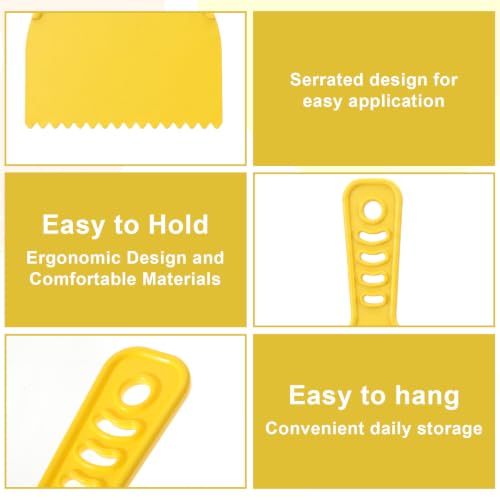
Our professional-grade applicator is engineered specifically for smooth, even application of Bondo body filler, glazing putty, and repair compounds. The flexible plastic blade conforms to curved surfaces while the comfortable grip ensures precise control during every pass.
Whether you're working on automotive repair, marine restoration, or household projects, this applicator delivers the smooth finish professional body shops demand. We designed it to resist chemicals and solvents while maintaining flexibility across thousands of applications.
Tool specifications & design
Construction & Material Composition
We manufacture our bondo applicator from high-grade plastic formulated to resist the aggressive chemicals found in polyester resin body fillers. The material maintains its flexibility even after prolonged exposure to solvents, acetone, and hardeners that would degrade ordinary plastic tools.
The blade thickness is calibrated to provide just enough rigidity for pushing filler into recesses while remaining flexible enough to conform to body contours. This balance eliminates common application problems like air pockets, uneven thickness, and excess material waste.
Application Technique & Surface Compatibility
Proper Application Method
Hold the applicator at a 30-45 degree angle to your work surface for optimal filler transfer. Apply firm, consistent pressure while drawing the blade across the repair area in smooth, overlapping strokes. The flexible blade will conform to curves automatically when you maintain steady pressure.
For deep repairs, apply filler in multiple thin layers rather than one thick coat. Our applicator’s design allows you to feather edges precisely, creating seamless transitions between repaired and original surfaces.
Care Instructions & Longevity
Clean your bondo applicator immediately after each use for maximum tool life. Wipe excess filler off with a clean rag, then use acetone or lacquer thinner to remove any remaining residue. The chemical-resistant material won’t dissolve or warp from repeated solvent cleaning.
Store the applicator flat or hanging to prevent blade warping. Avoid leaving it in direct sunlight or near heat sources above 150°F, as extreme temperatures can affect flexibility over time.
Essential Auto Body Repair Tools


Rated 4.8 by verified buyers

Common Questions About Bondo Applicators
Yes, our applicator works with any polyester or epoxy-based body filler, glazing putty, or spot putty regardless of brand. The chemical-resistant construction is compatible with all standard automotive repair compounds.
The tool performs equally well with lightweight finishing putties and heavier-bodied structural fillers. Many professionals keep multiple applicators dedicated to different product types to prevent cross-contamination.
Clean the applicator immediately after each use and store it flat or hanging in a cool, dry location. Avoid leaving it in direct sunlight or near heat sources above 150°F.
The flexible blade may develop a slight curve if stored under heavy objects, but this won't affect performance. Most warping occurs when dried filler is left on the blade, so thorough cleaning with acetone or lacquer thinner after every use is essential for maintaining the original shape.
Hold the applicator at a 30-45 degree angle to your work surface for optimal filler transfer and smoothness. A steeper angle gives you more control for detail work but may leave slightly thicker application.
A shallower angle spreads filler thinner and works well for final passes. Experiment with angle and pressure on scrap material to find what works best for your specific repair and filler type.
With proper cleaning and storage, each applicator typically lasts through hundreds of applications. Professional body shops report 3-6 months of daily use before replacement becomes necessary.
The tool's lifespan depends on cleaning frequency, storage conditions, and the abrasiveness of your work surfaces. Replace the applicator when the blade edge becomes worn smooth or develops permanent creases that create lines in your filler application.
No, we manufacture our bondo applicator from chemical-resistant plastic specifically formulated to withstand acetone, lacquer thinner, and other common solvents used in body work. Regular solvent cleaning won't degrade the material or affect flexibility.
In fact, we recommend cleaning with acetone or lacquer thinner after each use to remove all filler residue. This cleaning routine actually extends tool life by preventing hardened material buildup that could crack the blade.
Yes, the blade's flexibility and design allow you to apply filler to vertical panels effectively. Mix your filler slightly thicker for vertical applications and work in thinner layers to minimize sagging.
The applicator's comfortable grip gives you the control needed to work quickly on vertical surfaces before gravity affects the filler. Apply firm, consistent pressure and work from bottom to top for best results on door panels, fenders, and other vertical repairs.
Our bondo applicator features a flexible plastic blade specifically designed for body filler application, while putty knives typically have rigid metal blades. The flexibility allows the applicator to conform to curved automotive surfaces and prevents gouging.
The chemical-resistant plastic won't react with polyester resins or hardeners, unlike some metal putty knives that can contaminate filler. The beveled edge design also prevents material buildup that's common with straight-edged putty knives, resulting in smoother applications with less sanding required.