

Bondo Gallon Body Filler
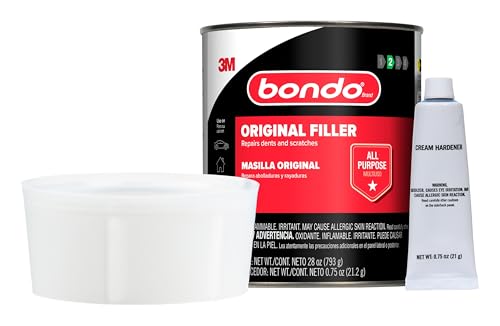
Our Bondo Gallon body filler is the professional-grade solution for tackling major automotive repairs, collision work, and restoration projects. This industry-trusted formula delivers superior adhesion and durability for repairing rust damage, dents, and holes on vehicles, boats, and metal surfaces.
Designed for both professional body shops and serious DIY enthusiasts, the gallon size provides enough material to handle extensive projects without the frequent reordering required by smaller containers. The smooth, creamy formula spreads easily, sands beautifully, and creates a rock-solid surface ready for primer and paint.
What makes this gallon size perfect for larger repairs
Polyester Resin Formula & Performance
The Bondo gallon body filler uses our time-tested polyester resin compound that has set the industry standard for over six decades. This two-part system combines the filler base with a cream hardener to create a chemical reaction that produces exceptional strength and adhesion.
Unlike cheaper fillers that remain slightly flexible or absorb moisture over time, our formula cures to a rock-hard consistency that resists cracking, shrinking, and water penetration. The polyester base creates molecular bonds with metal surfaces that are stronger than the surrounding material itself.
Application Coverage & Project Sizing
How Much Surface Area Does a Gallon Cover?
A bondo gallon typically covers 30-40 square feet when applied at the recommended 1/8-inch thickness for standard body repairs. Deeper repairs requiring 1/4-inch fills will reduce coverage to approximately 15-20 square feet.
This makes the gallon size ideal for complete panel repairs, full quarter-panel replacement work, extensive rust repair across multiple body areas, or restoration projects involving entire vehicle sections. Most passenger car fender repairs consume 1-2 quarts, so the gallon size eliminates the frustration of running out mid-project.
Surface Preparation & Compatibility
Proper surface preparation determines the longevity of any bondo gallon repair. Clean the repair area down to bare metal using 80-grit sandpaper or a grinder, removing all paint, primer, rust, and contaminants that could prevent proper adhesion.
The polyester formula bonds permanently to bare steel, aluminum, fiberglass, SMC composite panels, and properly prepared wood surfaces. For aluminum repairs, we recommend using our specialty fillers designed specifically for non-ferrous metals, though standard Bondo will work when the aluminum is thoroughly abraded.
Complete Your Bondo Repair Kit


Rated 4.8 by verified buyers
Questions About Bondo Gallon Body Filler
The bondo gallon filler reaches sandable hardness in 20-30 minutes at room temperature (70-75°F). You can begin initial shaping at the 10-15 minute mark when it reaches a cheese-like consistency.
Full chemical cure occurs within 2 hours, after which the material achieves maximum strength and moisture resistance. Warmer temperatures accelerate curing while temperatures below 60°F significantly slow the process. For best results, work in a 65-85°F environment.
No, you must remove all rust down to bare metal before applying the bondo gallon filler. Body filler cannot stop rust from spreading underneath, and the rust layer prevents proper chemical bonding to the metal substrate.
Use a grinder, sandpaper, or wire wheel to remove rust completely. For severe rust-through areas, cut out the damaged metal and weld in patch panels before applying filler. Treat any remaining surface oxidation with a rust converter before filling.
Use approximately a golf-ball-sized amount of cream hardener for every softball-sized portion of body filler from your gallon container. This roughly translates to a 2% hardener ratio by volume.
Too little hardener results in slow cure or soft, tacky filler that never fully hardens. Too much hardener causes excessively fast setup with potential cracking and reduced strength. The filler should turn from pink to light tan when properly mixed—darker pink streaks indicate insufficient mixing.
Apply the bondo gallon filler in layers no thicker than 1/4 inch per coat for optimal strength and cure. Thicker applications may cure unevenly, with the surface hardening while the interior remains soft, leading to eventual shrinking or cracking.
For deeper repairs, build up the area in multiple 1/4-inch layers, allowing each to fully cure before applying the next. Very deep damage (over 1 inch) should be repaired with welded metal patches or fiberglass backing rather than relying solely on filler.
Standard Bondo body filler is not recommended for flexible plastic bumpers, as the rigid cured filler will crack when the plastic flexes. The gallon-size polyester formula is designed for metal, fiberglass, and rigid surfaces.
For plastic bumper repairs, use our dedicated plastic filler or adhesion promoter products specifically formulated to flex with the substrate. The bondo gallon works excellently on rigid plastic components like SMC body panels found on Corvettes and some truck parts.
Fresh body filler should have a smooth, creamy consistency and mix easily with the hardener. Signs of degraded material include dried chunks or lumps in the container, excessively thick or separated consistency, or filler that won't catalyze properly when mixed with fresh hardener.
The cream hardener degrades faster than the filler base. Bad hardener appears brown, watery, or separated into layers. Always check the manufacture date on the bottom of your gallon container and store with the lid sealed tightly in a cool, dry location.
Yes, the bondo gallon formula adheres well to wood when properly prepared. Sand the wood surface thoroughly to create mechanical tooth, and ensure the wood is completely dry, as moisture will prevent proper bonding.
The filler works best on stable hardwoods and marine plywood. Avoid using on soft woods or exterior applications where wood movement might crack the rigid filler. For best results on wood, consider our dedicated wood filler products designed for that specific substrate.