


Bondo Sealer
Our professional-grade sealer creates a protective barrier over body filler repairs, eliminating pinholes and preventing moisture from penetrating your finished work. Designed specifically to work with Bondo body fillers, this sealer dries to a hard, sandable surface that prepares the repair area for primer and paint.
Whether you're restoring a classic car, repairing collision damage, or tackling rust repairs, Bondo Sealer ensures your filler work stays locked in and protected. The fast-drying formula sands smooth within 30 minutes, keeping your project moving forward without extended downtime.
Application & performance specs
Application Methods & Coverage
Bondo Sealer works with both brush and spray application depending on your repair size and preference. For small spot repairs, apply directly with a clean brush in thin, even coats. Larger panel repairs benefit from spray application using a standard automotive spray gun or aerosol canister.
Apply sealer once your body filler has fully cured and been shaped to contour. One quart typically covers 15-20 square feet with a single coat, though we recommend two thin coats for maximum pinhole protection. The sealer flows smoothly without runs or sags when applied at recommended thickness.
Why Sealing Body Filler Matters
Preventing Pinhole Formation
Body fillers naturally contain microscopic air pockets that can telegraph through primer and paint as visible pinholes. Bondo Sealer fills these tiny voids before they become a cosmetic problem. Without sealing, moisture can also migrate into these pinholes, causing the filler to deteriorate from within over time.
Surface Preparation for Paint
Sealer creates a consistent surface texture that helps primer adhere evenly across repaired and original metal areas. This uniform foundation prevents the “halo effect” where filler areas show different sheen or texture than surrounding surfaces. Professional body shops rely on sealer as a mandatory step before any quality paint work begins.
Compatibility & Surface Preparation
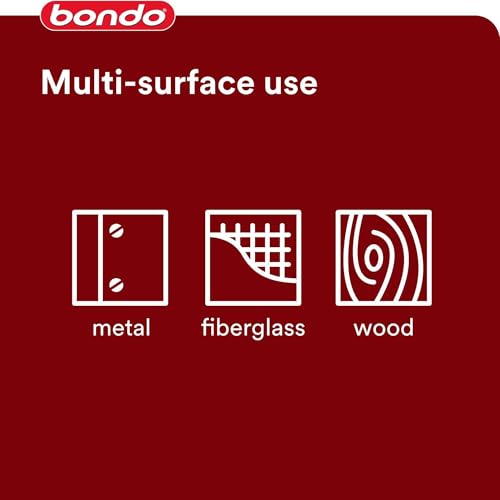
This sealer bonds to all Bondo body filler formulations, including standard, lightweight, and reinforced versions. It also adheres to properly prepared bare metal, existing paint, and fiberglass surfaces. Before sealing, sand the cured filler with 80-120 grit sandpaper to establish proper surface profile.
Remove all sanding dust with compressed air and a tack cloth before application. The repair area should be clean, dry, and free of oils or contaminants. Bondo Sealer is designed to integrate into the same workflow used across our specialty fillers product line for consistent results.
Complete Your Body Repair Workflow


Rated 4.8 by verified buyers


Common Questions About Bondo Sealer
While not absolutely required, sealer is highly recommended for professional-quality results. Body filler contains microscopic pinholes that can telegraph through primer and paint, creating visible imperfections in your finish. Sealer fills these voids and prevents moisture intrusion that can cause filler deterioration over time.
Without sealer, primer solvents can also be absorbed unevenly into porous filler, causing discoloration or sheen differences. Professional body shops use sealer as a standard step for exactly these reasons.
Bondo Sealer dries to the touch in 15-20 minutes and can be sanded after 30 minutes in temperatures above 60°F. For best results, wait 45 minutes to ensure complete solvent evaporation before sanding with 180-220 grit paper.
Cooler shop temperatures may extend drying time slightly. Always verify the surface is fully dry by touch before sanding to avoid gumming or loading your sandpaper.
Yes, once the sealer has dried and been sanded smooth with 180-220 grit paper, you can apply any automotive primer system directly over it. Bondo Sealer is compatible with epoxy, urethane, and lacquer-based primers.
The sealed surface provides excellent adhesion and creates a uniform foundation that helps primer coat evenly across repaired and original metal areas. Always follow your specific primer manufacturer's application recommendations for best results.
Bondo Sealer is formulated specifically for use with Bondo body filler products, but it will bond to most polyester-based automotive body fillers from other manufacturers. The key is ensuring the filler is fully cured and properly sanded before sealer application.
For guaranteed compatibility and optimal performance, we recommend using Bondo Sealer with Bondo body filler formulations. This ensures the chemical composition of both products works together as designed.
One quart of Bondo Sealer typically covers 15-20 square feet with a single coat when applied at recommended thickness. Most repairs require two thin coats for complete pinhole protection, so expect coverage of 8-10 square feet per quart in normal use.
Actual coverage varies based on application method (brush vs. spray), surface porosity, and coating thickness. Larger panel repairs benefit from spray application, which provides more consistent coverage than brushing.
Sand cured Bondo Sealer with 180-220 grit sandpaper for final smoothing before primer application. This grit range removes any high spots or brush marks while creating the ideal surface profile for primer adhesion.
Use a sanding block on flat surfaces to maintain contour accuracy, and feather the sealer edges into surrounding areas for seamless blending. The cured sealer produces fine dust when sanded rather than gumming up the paper.
Yes, if Bondo Sealer thickens during storage, you can restore it to working consistency by adding lacquer thinner gradually while stirring. Add small amounts of thinner until you achieve the desired viscosity for brushing or spraying.
Avoid over-thinning, which reduces the sealer's build thickness and protective qualities. Properly thinned sealer should flow smoothly without runs or sags when applied at recommended coating thickness.