


Bondo Short Strand Fiberglass Filler
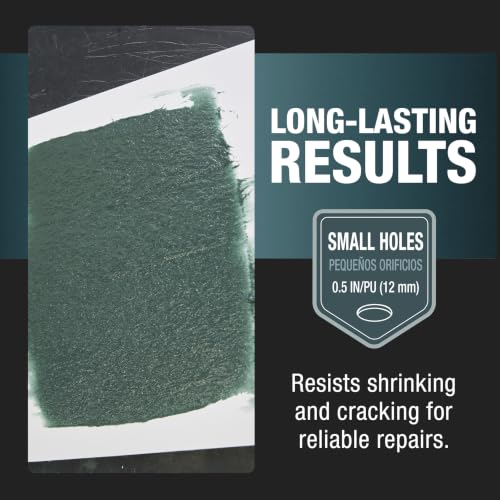
Our Bondo Short Strand Fiberglass Filler is engineered for structural repairs that demand maximum strength and durability. This reinforced formula combines premium resin with short strand fiberglass to bridge holes, tears, and rusted-out sections in auto bodies, boats, and fiberglass components.
Unlike standard body fillers, the embedded fiberglass strands create a mechanical bond that resists cracking and flexing. We designed this filler for serious collision damage, floor pan replacement, and marine hull reconstruction where conventional fillers simply won't hold. It sands smooth, accepts paint, and provides structural integrity that lasts.
Formula & performance specs
Fiberglass Reinforcement Technology
The bondo short strand fiberglass filler formula incorporates chopped fiberglass strands throughout the polyester resin matrix. These strands create a three-dimensional reinforcement network that dramatically increases tensile strength compared to conventional fillers.
When you mix the included cream hardener with the filler, the catalyzed resin encapsulates each fiberglass strand. As the mixture cures, it forms a rigid composite structure capable of bearing loads and resisting impact. This makes it indispensable for structural repairs where the filler must actually replace missing metal or substrate.
Application Surface Compatibility
Prepared Metal Surfaces
Bondo short strand fiberglass filler bonds aggressively to bare steel, aluminum, and galvanized panels after proper preparation. We recommend grinding or sanding the repair area to remove paint, rust, and contaminants down to clean metal. The filler mechanically interlocks with the roughened surface profile for maximum adhesion.
Fiberglass and Composite Substrates
For fiberglass repair work on boats, RVs, and molded components, this filler creates a permanent structural bond. Sand the damaged area with 80-grit paper to expose fresh laminate, then wipe with acetone. The polyester resin in our formula chemically fuses with the underlying fiberglass for a seamless repair that won’t delaminate.
Mixing and Working Time
Dispense the desired amount of filler onto a clean mixing board, then add cream hardener at a 2% ratio—approximately a ribbon of hardener the size of a golf ball per softball-sized portion of filler. We include precise measuring guidance on the can label.
Fold the hardener into the filler using broad, sweeping strokes with a plastic spreader. Mix until the color is uniform throughout with no streaks. Avoid whipping or stirring rapidly, which introduces air bubbles that weaken the cured repair.
Complete Your Fiberglass Repair Kit


Rated 4.8 by verified buyers


Common Questions About Short Strand Fiberglass Filler
We don't recommend this filler for flexible plastic bumpers. The rigid fiberglass-reinforced formula won't flex with the bumper substrate and will crack under impact.
For plastic bumper repairs, use Bondo Flexible Filler, which contains elastomeric additives that allow it to bend with thermoplastic and TPO bumper materials. Save the short strand fiberglass filler for rigid substrates like metal, fiberglass, and wood where its superior strength provides the most benefit.
You can safely apply bondo short strand fiberglass filler up to 1/4 inch thick per coat. Thicker applications may trap solvents and prevent complete curing, leaving a soft layer beneath the hardened surface.
For deeper repairs, build thickness gradually in multiple 1/4 inch layers. Allow each layer to cure hard before applying the next. This layering approach ensures thorough curing throughout the repair depth and prevents shrinkage cracks that can occur with single thick applications.
The bondo short strand fiberglass filler can bridge holes up to 1/4 inch without backing material thanks to its internal fiberglass reinforcement. For holes larger than 1/4 inch, we recommend backing the area with aluminum mesh, fiberglass cloth, or sheet metal.
The backing material provides a substrate for the filler to grip and prevents it from sagging through the opening before it cures. Apply the filler in firm strokes, forcing it through the mesh openings to create mechanical interlock. Multiple thin coats work better than one thick application over mesh.
Yes, bondo short strand fiberglass filler has enough body to stay in place on vertical panels when applied at recommended thickness. The fiberglass strands create internal structure that resists slumping during the cure cycle.
For best results on vertical or overhead surfaces, mix the filler slightly thicker by using marginally less hardener. Apply in thin coats rather than trying to fill deep damage in one pass. If you're repairing truly overhead areas, consider Bondo Fiberglass Resin Jelly, which has a gel consistency specifically formulated for non-slump application.
Absolutely. In fact, we recommend topping cured and sanded bondo short strand fiberglass filler with a skim coat of standard Bondo Body Filler or Glazing & Spot Putty for final surface preparation.
The fiberglass strands create slight texture that telegraphs through primer if you don't use a finishing product. Sand the cured fiberglass filler to rough contour with 80-grit paper, then apply a thin layer of finishing filler. This combination gives you structural strength from the fiberglass formula and glass-smooth finish from the conventional filler topcoat.
Use approximately a golf ball-sized ribbon of cream hardener per softball-sized portion of filler, which equals roughly 2% hardener by volume. The mixed filler should develop a uniform pink or tan color with no streaks.
Too little hardener results in slow cure or tacky repairs that never fully harden. Too much hardener causes excessively fast cure with reduced working time and potential brittleness. If you're unsure, err slightly on the side of more hardener rather than less—a 30-second reduction in working time beats discovering a soft repair the next day.
Apply bondo short strand fiberglass filler when air and surface temperatures are between 60°F and 90°F for optimal results. Cold temperatures slow the catalyzation reaction, extending working time but delaying cure. Heat accelerates cure, sometimes leaving insufficient time to spread and shape the filler.
If you must work in cold conditions, warm the filler and substrate with a heat gun or work in a heated shop. In hot weather, mix smaller batches so you use each batch before it begins to gel. The filler will cure even at temperature extremes, but working properties and final strength may be compromised outside the ideal range.