


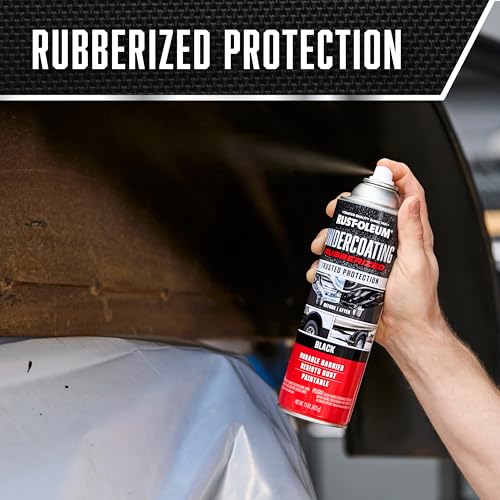

Bondo Undercoating
Our Bondo Undercoating delivers professional-grade protection for your vehicle's undercarriage, frame, and wheel wells. This rubberized formula creates a durable barrier against moisture, road salt, gravel, and environmental corrosion that threatens metal surfaces year-round.
Whether you're restoring a classic vehicle or protecting a daily driver from harsh winter conditions, this fast-drying undercoating penetrates deep into seams and crevices. The flexible coating moves with your vehicle's metal panels, resisting cracking and peeling even under extreme temperature fluctuations.
Professional-grade protection specs
Application & Coverage
Apply bondo undercoating in thin, even coats to clean, dry surfaces for maximum adhesion and protection. We recommend working in temperatures between 50°F and 90°F for optimal drying and curing.
Shake the aerosol can vigorously for two minutes before use. Hold the nozzle 10-12 inches from the surface and apply in sweeping horizontal passes, overlapping each pass by 50%. Multiple thin coats provide better coverage and durability than a single heavy application.
Surface Preparation & Compatibility
Clean Metal Surfaces
Remove all loose rust, dirt, grease, and old flaking undercoating with a wire brush or power sander before application. Our formula adheres best to clean, sound surfaces whether bare metal, factory primer, or previously coated panels.
Compatible Materials
Bondo undercoating bonds to steel, aluminum, fiberglass, and most painted automotive surfaces. For areas with active rust, we recommend treating with a rust converter primer before applying undercoating. The product works exceptionally well over our specialty fillers when repairing corrosion damage or body panel imperfections.
Corrosion Protection Performance
The rubberized barrier resists penetration from road salt, calcium chloride, and magnesium chloride compounds used in winter de-icing. This protection is critical for vehicles operated in snow belt regions where undercarriage corrosion accelerates dramatically.
Our formula’s flexibility prevents the coating from cracking when metal panels expand and contract with temperature changes. This maintained seal stops moisture from reaching vulnerable metal surfaces even after years of exposure to freeze-thaw cycles.
More Automotive Protection Solutions


Rated 4.8 by verified buyers


Common Questions About Bondo Undercoating
We recommend removing loose, flaking rust and treating active rust with a rust converter or reformer before applying undercoating. While our formula will adhere to light surface rust, removing compromised material and treating the surface first ensures maximum protection and longevity.
For best results on rusty surfaces, wire brush away loose material, apply a rust treatment product, and allow it to fully cure before undercoating. This two-step approach stops existing corrosion and prevents new rust from forming.
Most applications benefit from 2-3 thin coats rather than one heavy coat. Thin coats dry faster, penetrate better into seams, and are less likely to sag or drip during application.
Allow 30 minutes between coats for proper drying. The total coating thickness depends on your protection needs—restorations and harsh-climate vehicles typically receive three coats, while general protection applications work well with two coats.
Bondo undercoating adheres to both steel and aluminum surfaces when properly prepared. Clean the aluminum thoroughly to remove oxidation, oils, and contaminants before application.
For best adhesion on aluminum, we recommend scuffing the surface with 80-grit sandpaper to create tooth for the coating to grip. The rubberized formula bonds well to most metal surfaces including aluminum frames, crossmembers, and body panels.
The coating becomes tack-free in approximately 60 minutes and can be handled carefully after 2-3 hours. However, full curing takes 24-48 hours depending on temperature and humidity.
Avoid exposing the vehicle to water, road salt, or heavy use for at least 24 hours after final coat application. For restoration projects where parts will be assembled immediately after coating, allow a full 48-hour cure time for maximum durability.
While the black rubberized finish is designed as a final protective coating, you can apply paint over fully cured undercoating if needed. Scuff the surface lightly with fine sandpaper and use a primer designed for flexible surfaces.
Most users choose undercoating specifically for the durable rubberized finish on undercarriages and areas where paint would chip easily. For visible body panels requiring paint, consider using our body fillers and primers instead.
Each aerosol can covers approximately 10-15 square feet depending on surface texture, porosity, and application technique. Rough or porous surfaces absorb more product and reduce coverage.
For accurate material estimation, measure your vehicle's undercarriage area and plan for 2-3 coats. A typical full-size truck frame and undercarriage requires 4-6 cans for complete coverage with multiple coats.
Our undercoating works equally well on daily drivers, work trucks, and restoration projects. Many vehicle owners apply it preventatively to new vehicles in salt-exposure regions or as maintenance on older vehicles showing early corrosion signs.
The product is specifically formulated for real-world driving conditions including temperature extremes, road salt, moisture, and gravel impacts. Whether protecting a show car or a work truck, the formula delivers professional-grade corrosion resistance.