


Bondo Fiberglass Resin & Cloth Repair Kit
Our Bondo Fiberglass Resin delivers professional-grade repairs for automotive, marine, and household projects. This two-part resin system combines liquid polyester resin with fiberglass cloth to create permanent, waterproof bonds that restore structural integrity.
Whether you're patching a rusted rocker panel, reinforcing a boat hull, or repairing damaged home surfaces, this kit provides everything needed for strong, lasting repairs. The formula cures to a sandable, paintable finish that's stronger than the original material.
What's Included in the Fiberglass Kit
How Fiberglass Bondo Works
Bondo fiberglass resin uses a catalyzed polyester system that chemically bonds with surfaces and reinforcement cloth. Mix the liquid resin with the included cream hardener, apply it to the prepared surface, and saturate the fiberglass cloth layer by layer.
The resin penetrates the woven cloth and cures through an exothermic reaction, creating a rigid composite structure. This layered approach distributes stress across the repair area, preventing cracks and failures. For deeper structural repairs, build up multiple layers of cloth and resin until you achieve the desired thickness.
What's Included in Your Kit
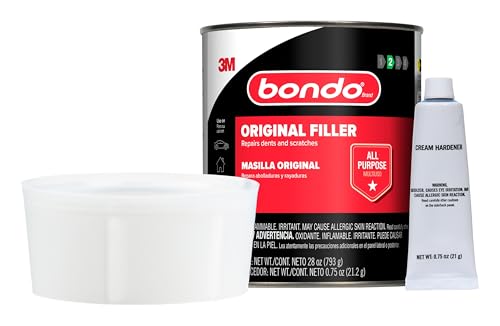
Each Bondo fiberglass resin kit contains one quart of liquid polyester resin, one tube of cream hardener, 8 square feet of woven fiberglass cloth, a plastic mixing cup, and a wooden mixing stick. The cloth is medium-weight weave suitable for most automotive and marine repairs.
The cream hardener tube provides precise measurement for consistent mixing ratios. Use approximately one inch of hardener per golf-ball-sized amount of resin, adjusting for temperature and desired working time. Warmer conditions accelerate curing, while cooler temperatures extend your application window.
Compatible Surfaces and Applications
Use Bondo fiberglass resin on automotive sheet metal, fiberglass body panels, boat hulls, wooden structures, concrete, and masonry. The resin creates chemical bonds with porous materials and mechanical bonds with prepared metal surfaces.
Automotive Body Repair
Restore rusted floor pans, trunk floors, rocker panels, and quarter panels using fiberglass bondo as a structural base. The cured composite provides a solid foundation for body filler application. For rust-through repairs, cut away deteriorated metal, treat remaining edges with rust converter, and build up layers of resin-saturated cloth until flush with surrounding surfaces.
Complete Your Fiberglass Repair


Rated 4.8 by verified buyers
Common Questions About Bondo Fiberglass Resin
Apply at least two layers of cloth for basic repairs, adding more for structural work. Each layer adds approximately 1/16 inch of thickness.
For automotive floor pan repairs, use 3-4 layers minimum. Marine hull repairs typically need 4-6 layers depending on original thickness. Allow each layer to become tacky before applying the next, or wait for full cure and sand lightly between applications.
Fiberglass bondo works on rigid fiberglass and composite plastics but not flexible thermoplastic bumpers. Modern flexible bumpers require specialized flexible repair adhesives that move with the material.
For fiberglass-reinforced plastic (FRP) bumpers and body panels, this resin provides excellent adhesion and permanent repairs. Clean the surface thoroughly and roughen with 80-grit sandpaper before application.
Sand the cured fiberglass after 30 minutes at 70°F. The surface should feel firm and no longer tacky to touch. Colder temperatures extend curing time—allow 45-60 minutes below 60°F.
You can apply body filler immediately after sanding. For direct paint application, prime the surface first with an automotive epoxy primer to ensure proper adhesion and prevent print-through.
Fiberglass resin is a liquid that requires cloth reinforcement to build structural strength and thickness. Body filler is a thick paste that fills shallow dents and imperfections without reinforcement.
Use fiberglass bondo for holes, rust-through damage, and areas requiring structural repair. Apply body filler over cured fiberglass to achieve final surface smoothness before priming and painting.
Yes, fully cured polyester resin is 100% waterproof and resists fresh water, salt water, and most automotive fluids. The material will not absorb moisture, swell, or delaminate when properly applied.
Ensure complete saturation of all cloth layers during application—dry spots can trap moisture. Marine and below-waterline applications perform reliably for years when the resin fully penetrates the reinforcement.
Add approximately one inch of cream hardener per golf-ball-sized amount of resin. The exact ratio appears on the container label and typically ranges from 1-2% by volume.
More hardener speeds curing but reduces working time. Less hardener extends pot life but may result in incomplete cure. Measure carefully and mix thoroughly for consistent results across all layers of your repair.
Remove all paint from the repair area before applying fiberglass bondo. The resin bonds mechanically and chemically to bare substrate material—paint creates a weak layer that will eventually fail.
Sand down to bare metal, fiberglass, or wood using 80-grit paper or a grinder. Feather the edges of surrounding paint to blend the repair area, but ensure the resin contacts only clean, unpainted surface for maximum adhesion.