


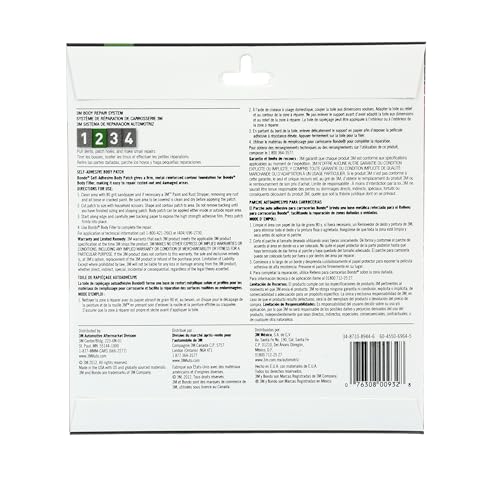

Bondo Tape
Bondo Tape is our professional-grade fiberglass reinforcement tape designed to strengthen body filler repairs and create lasting bonds on automotive and structural surfaces. The self-adhesive mesh construction integrates seamlessly with Bondo body fillers, eliminating the need for separate resin application.
We engineered this tape for DIY enthusiasts and professional technicians who demand fast, reliable repair reinforcement. The open-weave fiberglass mesh allows body filler to flow through and bond completely, creating a unified repair that resists cracking and separation.
Tape specifications & compatibility
Fiberglass Construction & Adhesive Technology
Our bondo tape features a precision-woven fiberglass mesh that provides structural reinforcement without adding excessive bulk to your repair. The individual glass fibers create a three-dimensional matrix that distributes stress across the repair area, preventing the cracking and failure common with filler-only repairs.
The pressure-sensitive adhesive backing activates on contact, creating an immediate bond that holds the tape in position while you apply body filler. Unlike traditional fiberglass cloth that requires separate resin mixing and application, our tape simplifies the reinforcement process to a single step. The adhesive remains tacky long enough to allow repositioning but sets firmly once pressed into place.
Application Technique & Surface Compatibility
Bondo tape adheres to clean, dry metal, fiberglass, aluminum, and composite automotive panels. For best results, we recommend applying the tape to bare substrate before filler application, though it can also be pressed into a thin base coat of partially set filler for additional mechanical bonding.
Cut the tape to extend approximately one inch beyond the damaged area on all sides. Press firmly from the center outward to eliminate air pockets and ensure complete adhesive contact. The tape remains workable for 30-60 seconds, giving you time to adjust placement over irregular contours.
Sanding & Finishing Over Reinforced Repairs
Preparing the Reinforced Surface
Allow body filler to cure completely according to product instructions before sanding. The fiberglass mesh within bondo tape will telegraph through thin filler layers, so we recommend applying filler to at least 1/8 inch above the tape surface for adequate coverage.
Begin with 80-grit sandpaper to establish the initial contour, then progress through 120, 180, and 220-grit for final smoothing. The embedded fiberglass creates a more durable surface than filler alone, but aggressive sanding can expose mesh fibers. If fibers become visible, apply an additional thin coat of filler and re-sand.
Shop More Bondo Repair Solutions


Rated 4.8 by verified buyers
Common Questions About Bondo Tape
Yes, our fiberglass mesh tape works with any polyester-based automotive body filler, including all Bondo filler products and competitor brands. The open-weave construction allows complete filler penetration regardless of manufacturer.
For best results, we recommend pairing the tape with Bondo Body Filler or Bondo Metal Reinforced Filler, as these formulations are engineered to complement the mesh structure. The tape is not compatible with epoxy-based fillers or wood putties, which have different curing chemistries.
For holes up to four inches, a single layer of bondo tape provides adequate reinforcement when backed with cardboard or aluminum foil to contain the filler. For larger openings, we recommend two to three layers applied in alternating directions to create a cross-hatch pattern.
Each additional layer increases structural strength but also adds thickness to your repair base. Apply filler between tape layers for maximum bonding, allowing each coat to partially set before adding the next layer. Excessive layering (more than four plies) can create a repair too thick for proper contouring and finishing.
The mesh will not show through when you apply sufficient filler thickness over the tape. We recommend building filler to at least 1/8 inch above the tape surface before sanding.
If you sand too aggressively and expose fibers, simply apply another thin coat of filler or glazing putty and re-sand with finer grit paper. Proper priming with high-build automotive primer further ensures the mesh pattern remains invisible under the final paint finish. The key is adequate filler thickness and progressive sanding through multiple grits.
No, we do not recommend bondo tape for flexible plastic bumper repairs. The rigid fiberglass mesh and polyester filler combination creates an inflexible repair that will crack when the bumper flexes during normal use.
For plastic bumper covers, use dedicated flexible plastic repair adhesives designed to maintain elasticity. Our tape excels on rigid substrates including metal panels, fiberglass, aluminum, and composite materials that do not require flexibility. Always match your repair method to the component's material properties and flexural requirements.
The pressure-sensitive adhesive remains repositionable for approximately 30 to 60 seconds after initial contact with the surface, depending on ambient temperature. Warmer conditions reduce working time while cooler temperatures extend it.
Once you press the tape firmly into place, the adhesive develops full bond strength within two to three minutes. This gives you adequate time to position the tape precisely over damage while ensuring it stays put during filler application. If you need extended working time, apply the tape to a cool, clean surface and work in a temperature-controlled environment around 65-75°F.
Bondo tape maintains full adhesive performance for three years from the manufacturing date when stored in original packaging at room temperature. The fiberglass mesh itself does not degrade, but the pressure-sensitive adhesive can dry out with age or improper storage.
Avoid storing tape in direct sunlight, high heat above 90°F, or freezing conditions below 32°F, all of which accelerate adhesive deterioration. Partially used rolls should be resealed in plastic to prevent dust contamination of the exposed adhesive. If the tape fails to stick during application, the adhesive has exceeded its usable life and should be replaced.
No, bondo tape must be completely embedded in body filler to function as intended. The tape provides structural reinforcement only when integrated into a filler matrix — it is not a standalone surface material.
The open-weave mesh requires filler to flow through and bond on both sides, creating a unified composite structure. Applying primer or paint directly to exposed tape results in a weak, porous surface that will fail under stress. Always cover the tape completely with body filler, allow full curing, sand smooth, and then proceed with standard priming and painting procedures.