


Bondo Rotted Wood Restorer
Our Bondo Rotted Wood Restorer is a penetrating liquid hardener designed to stabilize and reinforce wood damaged by rot, decay, or insect infestation. This two-part epoxy formula soaks deep into deteriorated wood fibers, creating a solid foundation that's stronger than the original material.
Whether you're restoring window frames, door sills, porch posts, or furniture, this professional-grade restorer saves you from costly replacement. The formula works on both interior and exterior wood surfaces, penetrating up to 1 inch deep to chemically bond with damaged fibers and stop further decay.
Product specifications & performance details
How Bondo Rotted Wood Restorer Works
The restorer’s low-viscosity formula allows it to penetrate deeply into damaged wood, reaching areas that traditional fillers cannot access. Once applied, the two-part epoxy system chemically reacts with the wood fibers, creating molecular bonds that reinforce the structure from within.
This penetration-and-hardening process transforms soft, spongy rot into a solid substrate that accepts our specialty fillers and traditional fasteners. Unlike simple surface treatments, the bondo rotted wood restorer actually strengthens the material at a cellular level, restoring load-bearing capacity to compromised sections.
Best Applications for Wood Restoration
Window sills and frames are among the most common uses for bondo rotted wood restorer, particularly on older homes where moisture infiltration has caused extensive decay. The product excels at stabilizing these vulnerable areas without requiring full replacement of expensive millwork.
Exterior door frames, porch posts, deck railings, and stair treads also benefit significantly from restoration treatment. The formula’s weather-resistant properties make it ideal for outdoor repairs that will be exposed to rain, snow, and temperature fluctuations.
Coverage, Curing Time & Storage
Each 8-ounce bottle of bondo rotted wood restorer covers approximately 8-12 square feet of surface area, though actual coverage varies based on wood porosity and damage severity. Highly deteriorated wood with extensive rot will absorb more product than lightly damaged areas.
Curing time depends primarily on ambient temperature. At 70°F, the restorer firms up within 15-20 minutes and reaches full hardness in 30 minutes. Cooler temperatures extend curing time, while warmer conditions accelerate the chemical reaction.
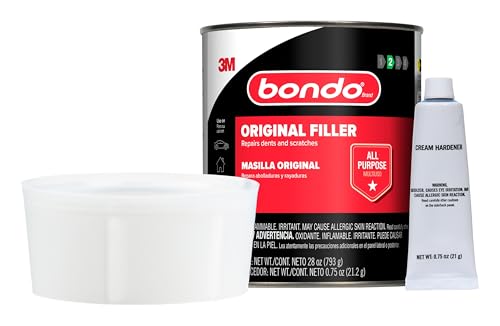
Complete Your Wood Restoration Project




Rated 4.8 by verified buyers


Common Questions About Bondo Rotted Wood Restorer
The low-viscosity formula penetrates up to 1 inch deep into rotted or damaged wood fibers, depending on the wood's porosity and the extent of decay. Severely deteriorated wood with extensive rot will absorb more product and allow deeper penetration.
For maximum depth, apply multiple coats while the wood continues to absorb liquid. Wait 10-15 minutes between applications until the surface stops accepting additional restorer.
Yes, bondo rotted wood restorer is formulated for both interior and exterior applications. The cured epoxy is completely waterproof and weather-resistant, making it ideal for window frames, door sills, porch components, deck railings, and other outdoor woodwork.
After the restorer cures and you complete your repair with filler, prime and paint the surface for additional protection against UV exposure and moisture infiltration.
At 70°F, the restorer reaches sandable hardness in approximately 30 minutes. Cooler temperatures extend this time, while warmer conditions accelerate curing. You can test readiness by pressing the surface with your fingernail—it should feel rock-hard with no give.
Once fully cured, sand the surface with 80-120 grit sandpaper to create texture for filler adhesion. You can then immediately apply wood filler, primer, or paint without additional waiting.
The cured restorer accepts both stains and paints, though stain absorption may differ slightly from surrounding natural wood. For best staining results, test your chosen stain color on an inconspicuous area first to evaluate color matching.
Darker stains typically mask any absorption differences more effectively than lighter colors. If you're painting the repair, the restorer accepts all standard primers and paints without any special preparation beyond sanding.
One bottle covers approximately 8-12 square feet of surface area under typical conditions. Actual coverage varies significantly based on wood porosity and damage severity—highly rotted wood absorbs considerably more product than lightly damaged areas.
For deep rot or extensive repairs, you may need multiple bottles to achieve complete penetration and hardening throughout the damaged section.
Yes, once fully cured, the restored wood accepts screws, nails, and other fasteners just like solid natural wood. The hardened surface actually provides better holding power than untreated rotted wood, making it suitable for structural repairs.
Pre-drill pilot holes for screws to prevent splitting, especially near edges. The cured epoxy is extremely hard and may dull drill bits faster than untreated wood, so use sharp bits for best results.
Wood restorer is a penetrating liquid hardener that soaks into damaged fibers to stabilize and strengthen existing wood from within. Wood filler is a putty-like material that rebuilds missing wood and fills voids or holes.
For comprehensive repairs, use the restorer first to harden the damaged substrate, then apply wood filler over the stabilized area to rebuild the surface profile. The two products work together for professional-quality restoration results.